
Villa Giuliana
Visiting the Museums of Licata
the Civic Museum and the Museum of the Sea and the Landing
Staying at Relais Villa Giuliana in Licata allows you to dedicate a day to cultural exploration and visit the Civic Museum and the Museum of the Sea and the Landing.
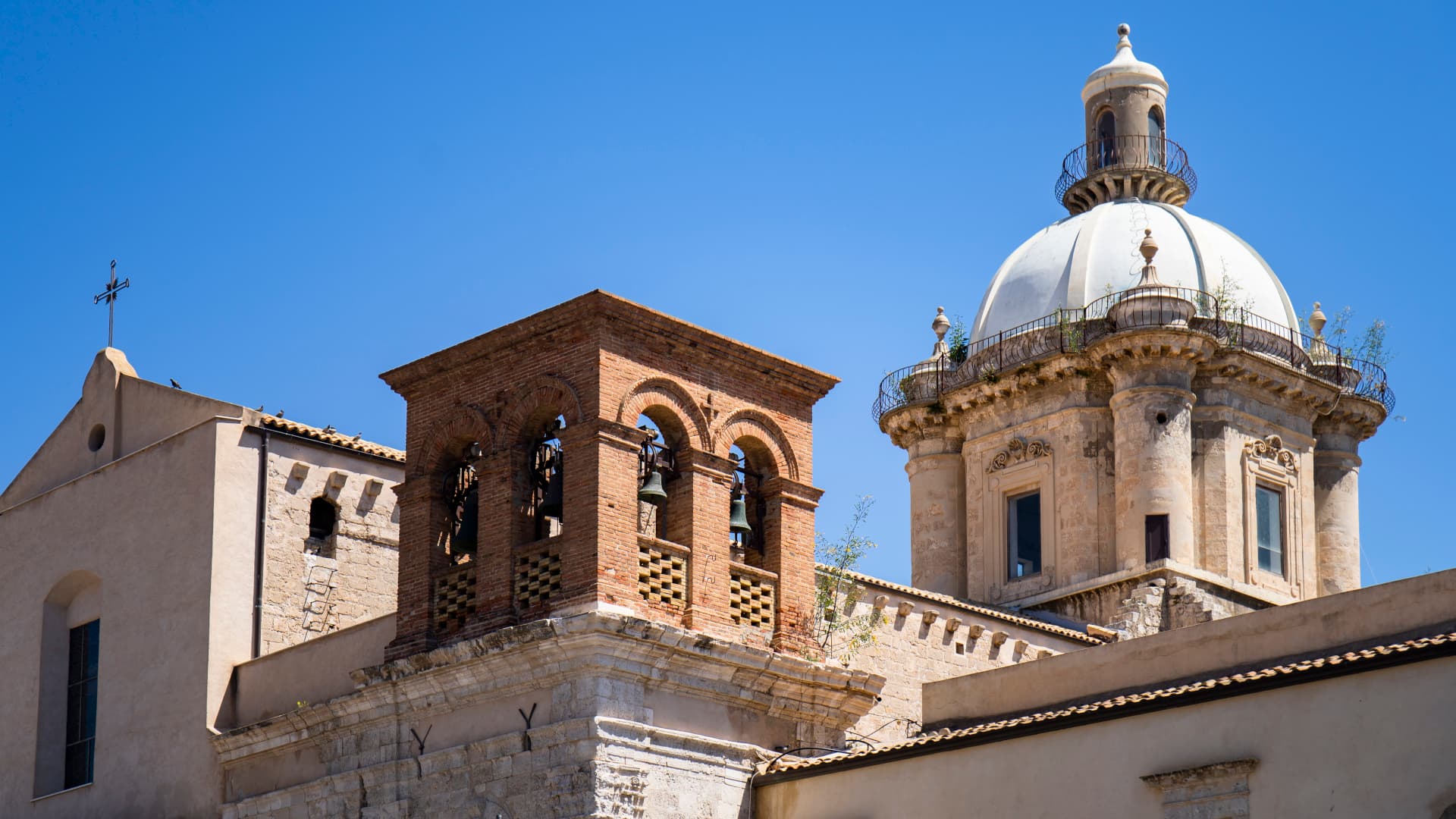
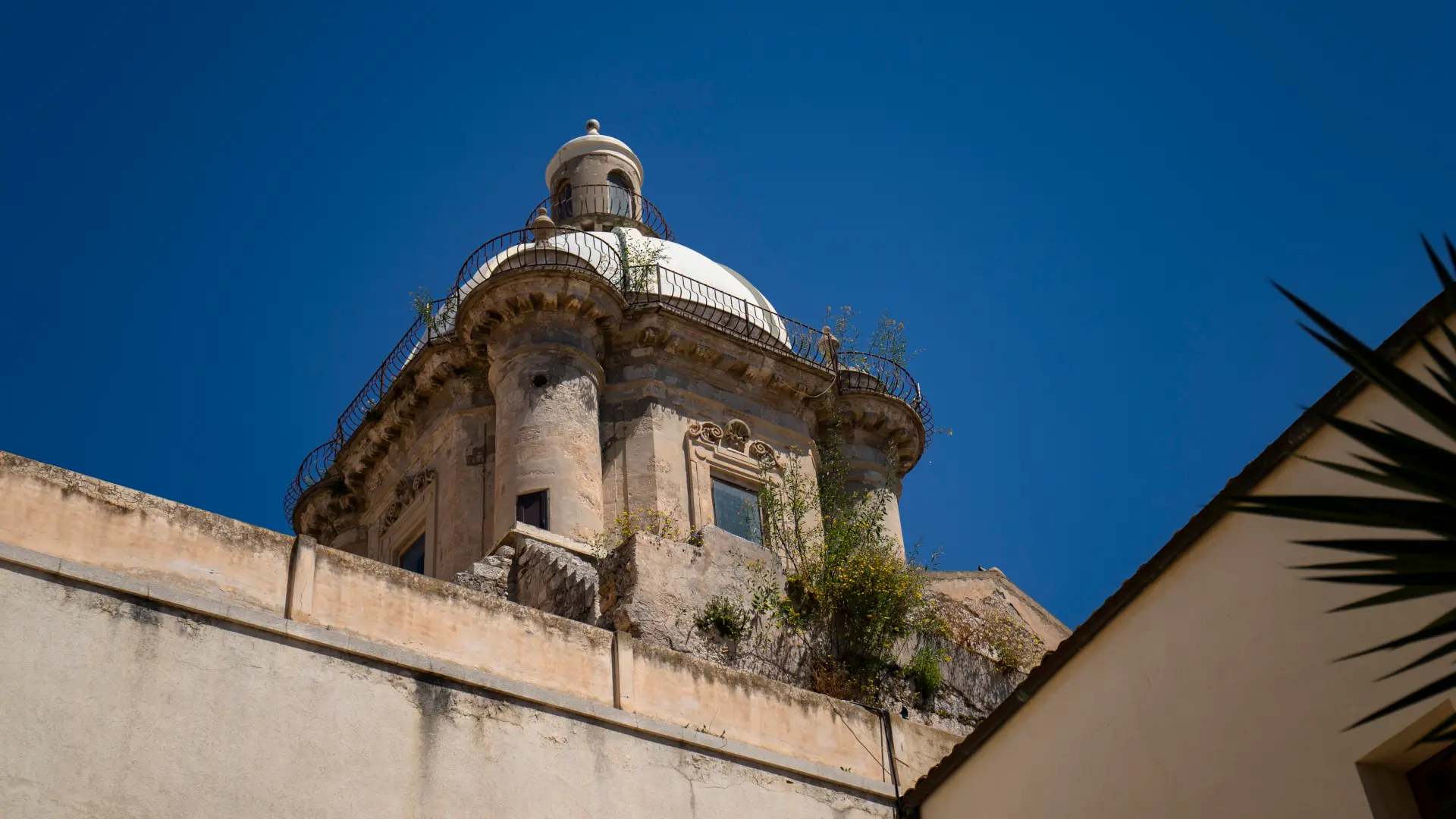
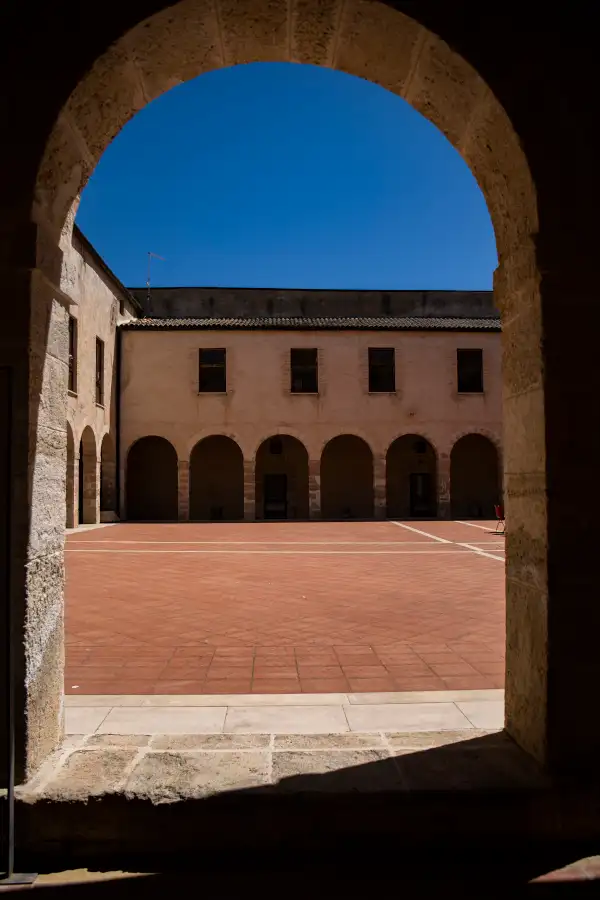
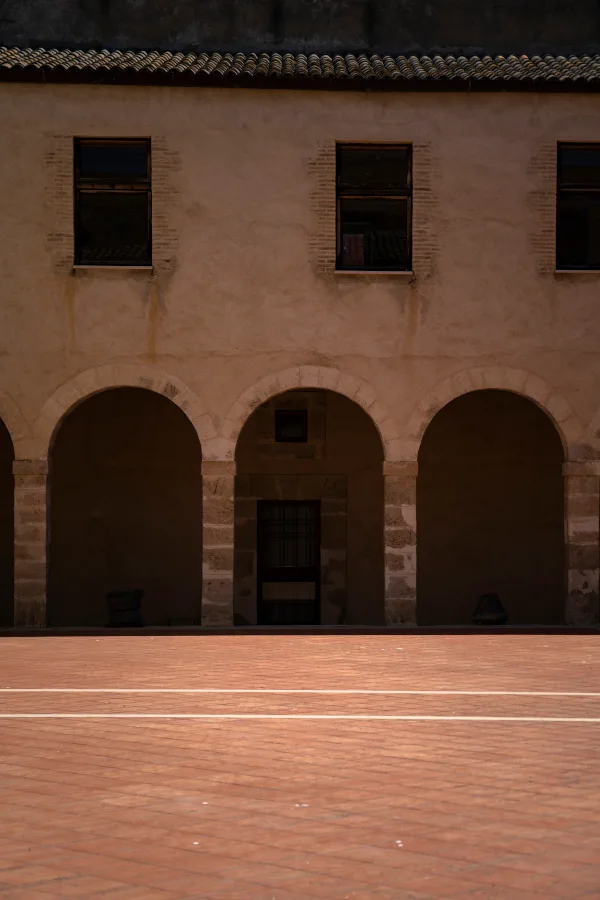
The Civic Museum is located in the historic centre of Licata, near Piazza Sant’Angelo. The museum is housed in the 16th-century Cistercian convent of Santa Maria del Soccorso, known as the Badia, enlarged in the 17th century with the construction of the cloister and in the 18th century with the new wing overlooking Piazza Sant’Angelo. Confiscated after the suppression of religious orders, the building became home to public schools, a function it still maintains today.
With the contribution of the Superintendency of Agrigento, the Municipality of Licata and the local Licata Archaeological Association, the museum began as an antiquarium attached to the Municipal Library of Licata, from which it separated in 1971 to become the Civic Museum.
The Civic Museum is located in the historic centre of Licata, near Piazza Sant’Angelo. The museum is housed in the 16th-century Cistercian convent of Santa Maria del Soccorso, known as the Badia, enlarged in the 17th century with the construction of the cloister and in the 18th century with the new wing overlooking Piazza Sant’Angelo. Confiscated after the suppression of religious orders, the building became home to public schools, a function it still maintains today.
With the contribution of the Superintendency of Agrigento, the Municipality of Licata and the local Licata Archaeological Association, the museum began as an antiquarium attached to the Municipal Library of Licata, from which it separated in 1971 to become the Civic Museum.
The Civic Museum
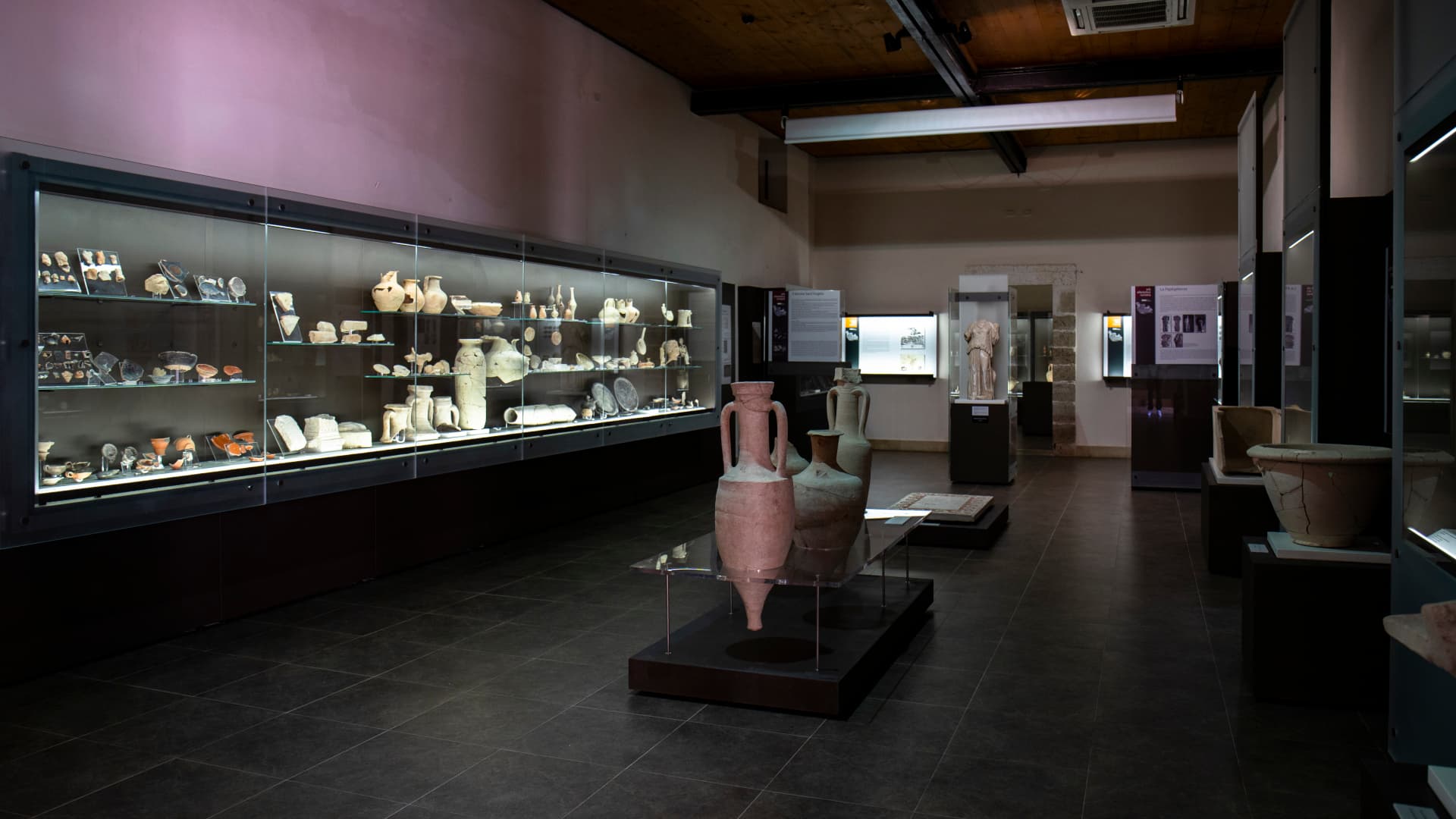
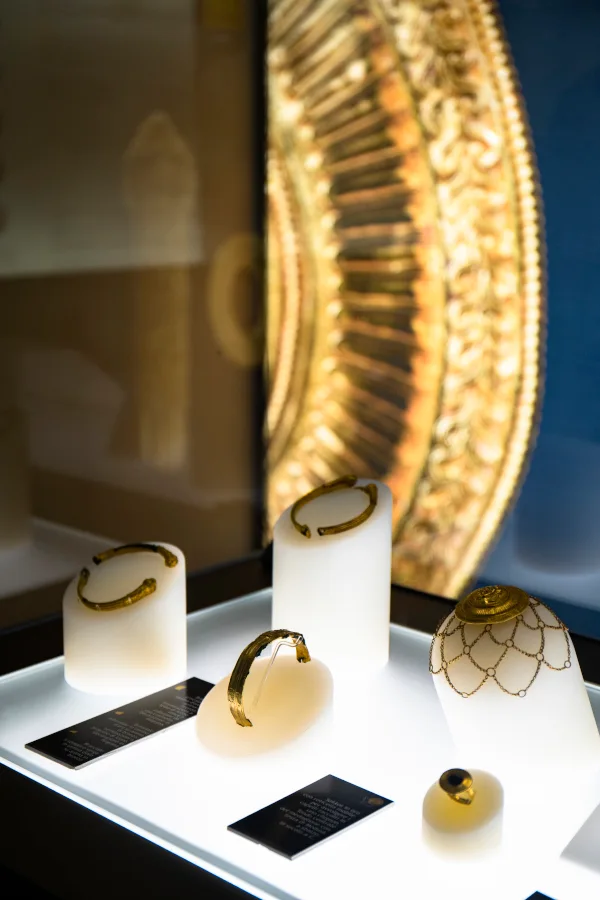
The collections of the Civic Museum come from excavations carried out in recent decades by the Superintendency of Agrigento in the territory of Licata and the lower Imera valley. The mountain of Licata, where the modern city stands today, has been a place of human settlement since prehistory. In particular, an archaic Greek centre stood on the mountain of Licata and expanded during the Hellenistic period onto the heights of Monserrato and Monte Sole. The museum also owns a collection of medieval art belonging to the Municipality, and several paintings from convents suppressed in the 19th century.
In the cloister, stone finds and architectural elements of various origins are displayed, together with medieval statues from the convent of the Annunziata and a Madonna del Soccorso by Domenico Gagini, dated 1470 and coming from the church of the same name.
In the cloister, stone finds and architectural elements of various origins are displayed, together with medieval statues from the convent of the Annunziata and a Madonna del Soccorso by Domenico Gagini, dated 1470 and coming from the church of the same name.
The Museum of the Sea and the Landing
The Museum of the Sea and the Landing is located in the heart of the historic centre of Licata, in the rooms of the Sant’Angelo cloister, and was founded on the initiative of the Finziade archaeological group, which since 2012 has had an underwater unit and organises guided visits.
Recovery works, carried out under the supervision of the Superintendency of the Sea, have brought to light archaeological finds datable between the protohistoric period and the Middle Ages, now displayed in the municipal rooms of the Sant’Angelo Cloister. We recommend the collection of ancient anchors recovered from the sea. Among the iron anchors are one from the Roman period of the arrow type, a Byzantine one, a Trotman anchor from the 19th century and an Admiralty anchor from the 20th century. Among the finds returned by the sea that can be admired is also a delicate glass-paste gem engraved with a reclining human figure.
Recovery works, carried out under the supervision of the Superintendency of the Sea, have brought to light archaeological finds datable between the protohistoric period and the Middle Ages, now displayed in the municipal rooms of the Sant’Angelo Cloister. We recommend the collection of ancient anchors recovered from the sea. Among the iron anchors are one from the Roman period of the arrow type, a Byzantine one, a Trotman anchor from the 19th century and an Admiralty anchor from the 20th century. Among the finds returned by the sea that can be admired is also a delicate glass-paste gem engraved with a reclining human figure.
SURROUNDINGS
Trip to Licata